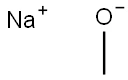
Sodium methoxide is an organic compound and a hazardous chemical, characterized by its corrosiveness and flammability. It is primarily used in the pharmaceutical industry, and in organic synthesis as a condensing agent, chemical reagent, and catalyst for treating edible oils.
| Chemical Name | Sodium Methylmethoxide |
| Chemical Formula | CH3ONa |
| CAS Number | 124-41-4 |
| Appearance | White crystalline powder |
| Melting Point | -98 °C |
| Boiling Point | 65 °C |
| Density (±20), g/cm³ | 0.98 g/cm³ |
| Molecular weight | 54.03 |
| Solubility | Insoluble in water, soluble in methanol and ethanol |

It must be kept away from moisture, air, and fire sources, and sealed in a cool, dark place. It is usually stored in a dry, well-ventilated special warehouse, kept at a low temperature, and the container should be sealed and grounded to prevent static electricity. It must not be stored with water, acid, oxidizers, or flammable materials, because it reacts violently with water, releases heat and produces flammable methanol, is prone to spontaneous combustion when exposed to moisture, reacts violently with acids, and is highly corrosive.
We Founded in 1993
We focuses on the research and development, production and sales of fine chemicals with broad market prospects
Our clients are located in more than 10 countries and regions around the world
 TIANDE CHEMICAL